Japanese Knotweed Removal & Treatment
Worried about Japanese knotweed affecting your property, mortgage or development plans?
Gaia Environmental provides professional Japanese knotweed removal, excavation and herbicide treatment programmes for residential and commercial properties.
Whether you need immediate excavation or a structured three-year treatment programme, our specialist team can recommend a suitable solution, with written warranties on qualifying works.
Send us photographs and your property postcode for a free, no-obligation quotation.
Identifying Japanese Knotweed
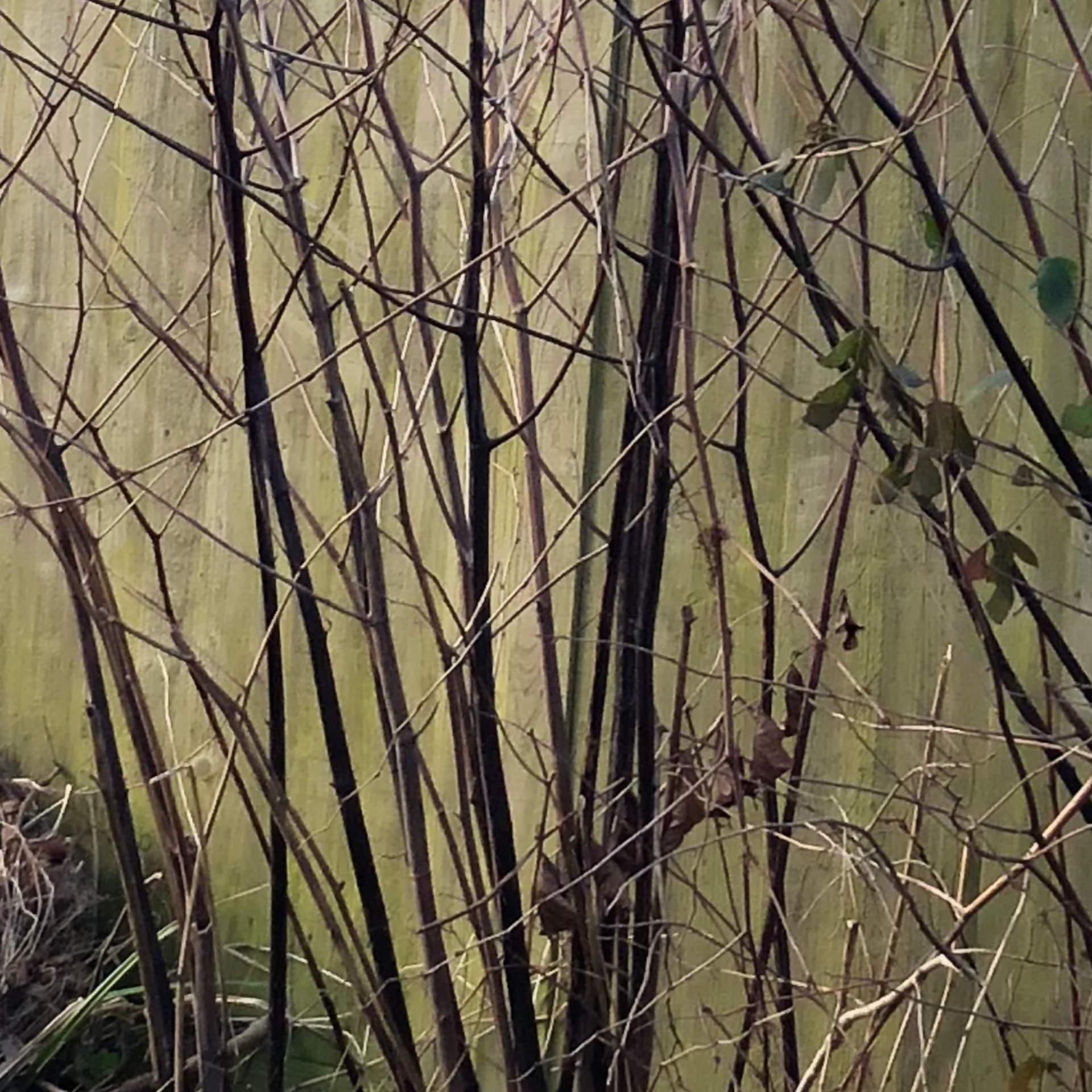
Japanese knotweed looks different through the year. In spring, reddish purple shoots emerge from the ground. During summer, hollow, speckled canes carry green leaves in a zigzag pattern. Clusters of small white flowers can appear in late summer and early autumn. The leaves then die back, leaving dry brown canes through winter.
If you're unsure what's growing on your property, send us clear photographs of the whole plant, leaves and stems. We can review them and advise whether a closer assessment is needed.
Japanese Knotweed Through The Seasons
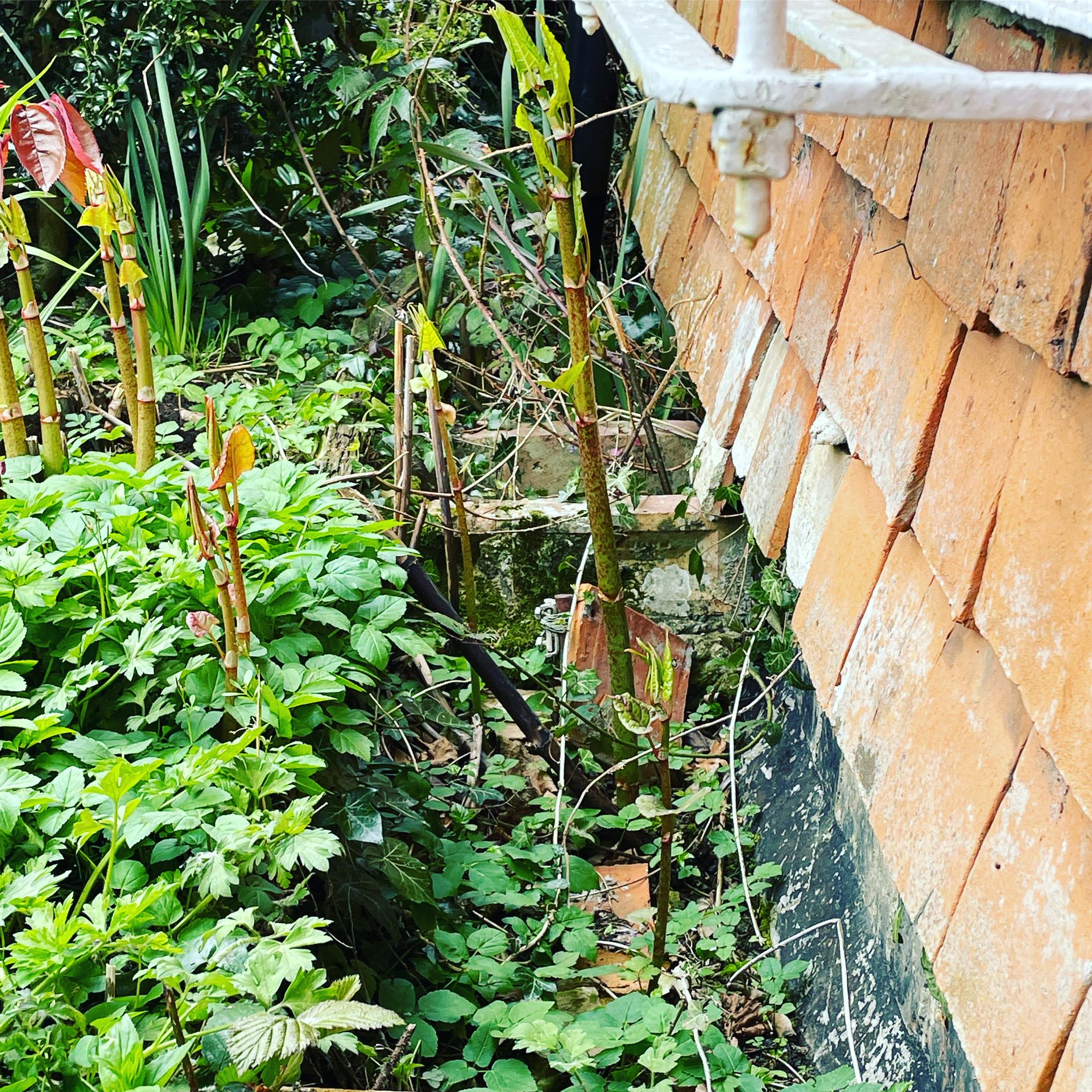
Early Spring
Reddish purple shoots emerge from the ground, often resembling asparagus spears.
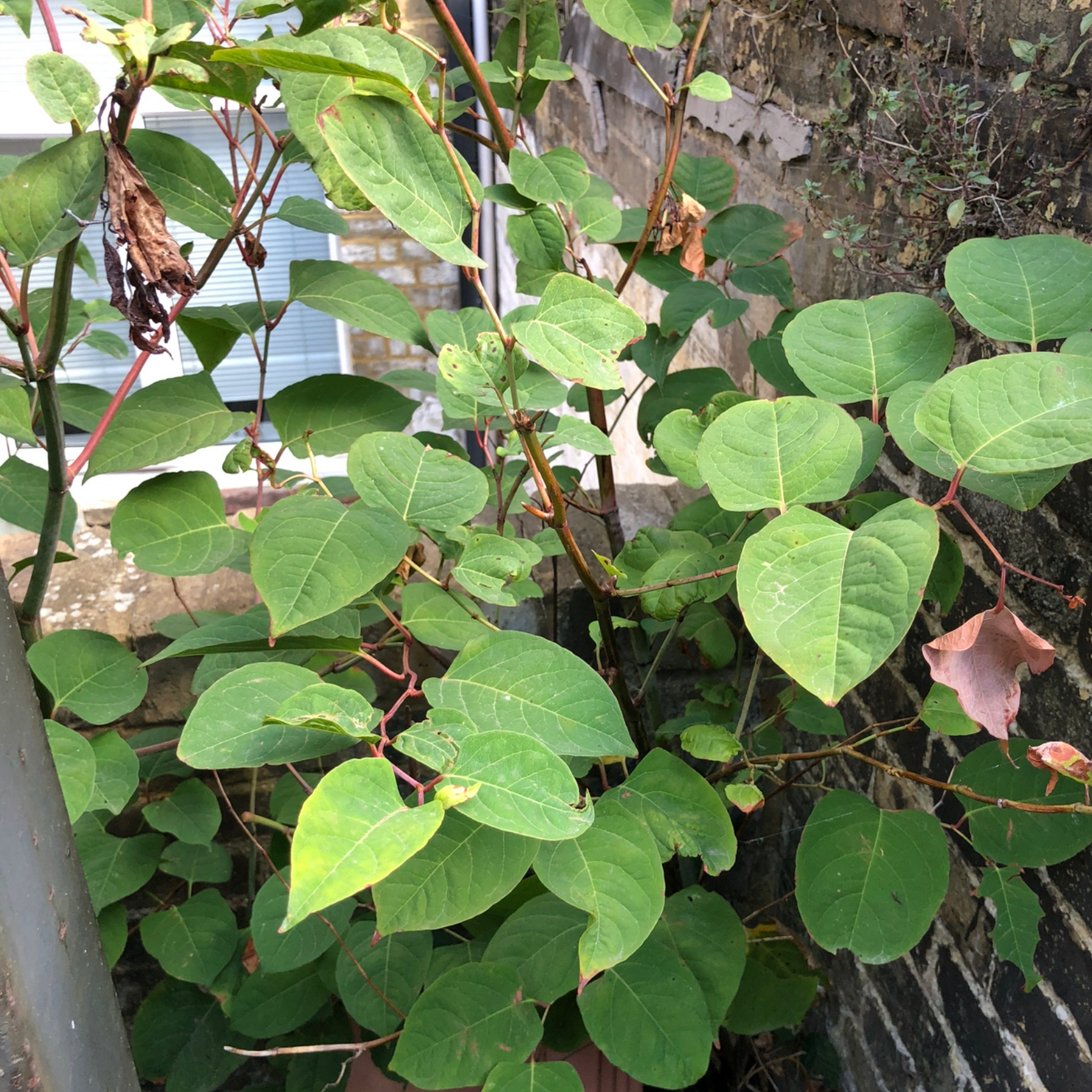
Late Spring
The canes grow rapidly and broad, spade shaped leaves begin to develop.
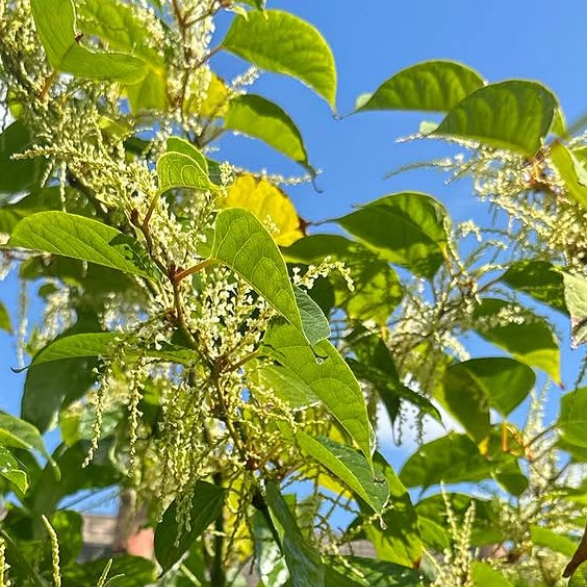
Summer
Japanese knotweed forms tall, jointed canes and dense green leaves. Small creamy white flowers may appear towards the end of summer.
Autumn / Winter
The leaves yellow and die back. Dry brown hollow canes remain visible throughout winter, whilst the rhizome system stays alive underground. New shoots can emerge in Spring.
Homeowners
Japanese knotweed can complicate plans for a property, particularly when building, landscaping, buying or selling. The right response depends on where the plant is growing, how far it has spread and what you intend to do with the land. Gaia can assess the site and explain the treatment or removal options available.
How We Treat Japanese Knotweed
Every knotweed site is different. We assess the extent of growth, how the land will be used and your timescale before recommending a treatment or removal plan. Depending on the site, this may involve herbicide, excavation, soil screenings, off site disposal or a combination of methods.
Herbicide Treatment
Targeted herbicide treatment can be suitable where the site can remain undisturbed during a planned programme. The plant absorbs the herbicide through its leaves, helping to control the underground rhizomes over time. Repeated visits and monitoring are usually needed; the programme depends on the site, season and response to treatment.
Excavate and on-site burial
Where the site has suitable space, knotweed material and affected soil may be excavated and buried on the same site using an appropriate containment design. The burial location must be recorded and protected from future disturbance. We assess whether this method is suitable and follow the applicable notification and burial requirements before work begins.
Excavation and Removal
When a site requires prompt clearance, Gaia Environmental carries out controlled excavation of the affected ground. Our specialists trace the rhizomes to define the excavation area and minimise unnecessary soil removal. Japanese knotweed affected material is securely contained during transport and taken by a registered waste carrier to a facility authorised to accept the waste.
Excavation and Soil Screening
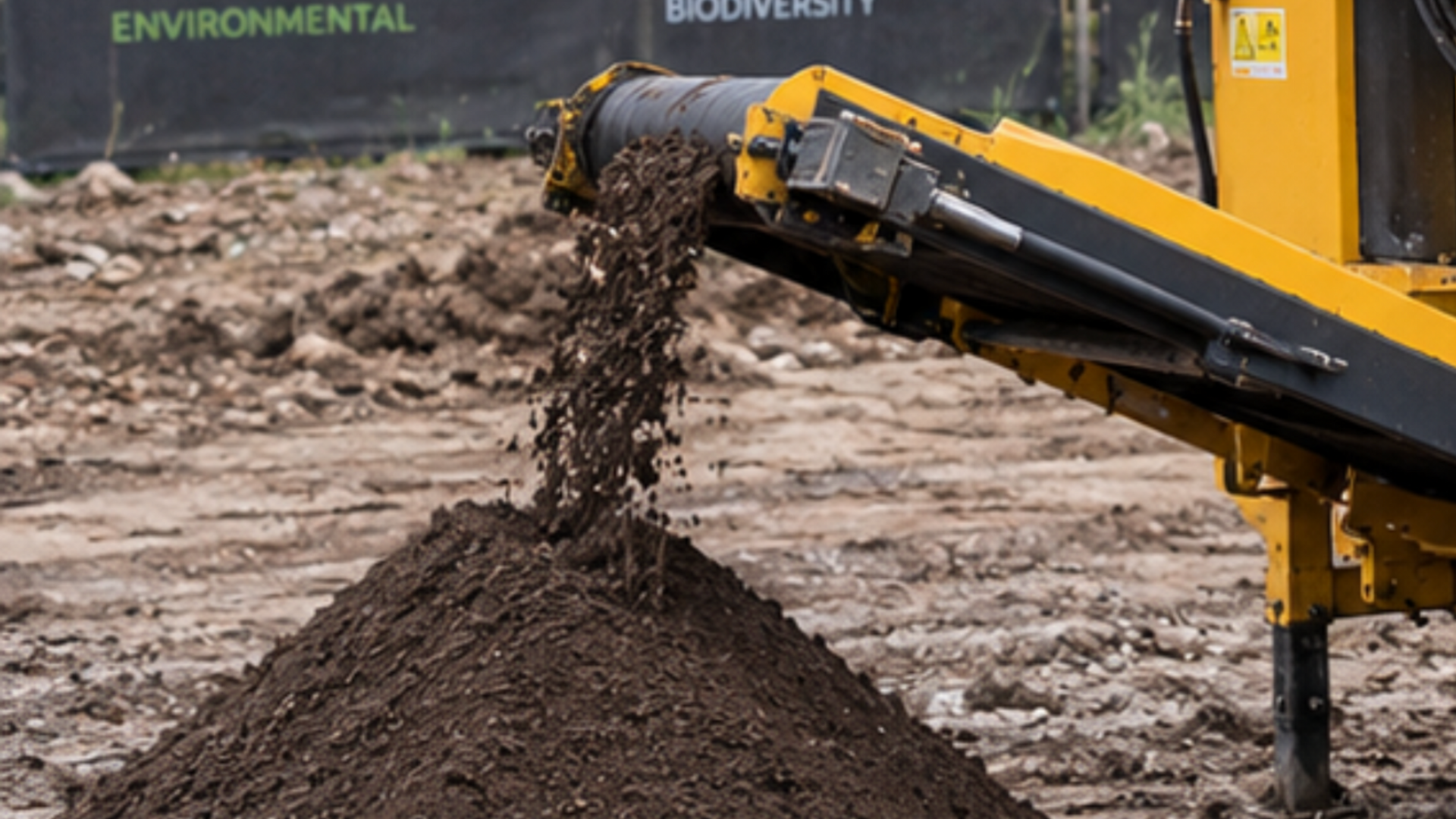
Our soil screening method combines controlled excavation with mechanical sieving to separate visible Japanese knotweed rhizomes and plant material from affected soil. This can substantially reduce the volume of material requiring off site disposal.
We assess the soil and site conditions before deciding whether screened material can be treated and retained for reuse on the original site. The separated knotweed material is managed and disposed of appropriately, with monitoring included where the site plan requires it.
Stem injection
Stem injection delivers an approved herbicide directly into suitable Japanese knotweed canes. It can be useful where targeted application is needed and foliar spraying is less appropriate. Suitability depends on the size and condition of the canes, the site and the time of year. Like other herbicide methods, it forms part of a planned treatment and monitoring programme.
Treatment Near Water and Sensitive Areas
Japanese knotweed near water or on a sensitive site needs a site specific treatment plan. We assess the location, access and surrounding vegetation before choosing a method. Where herbicide is proposed near water in England, we obtain the required Environment Agency agreement before application and follow product directions and site controls.
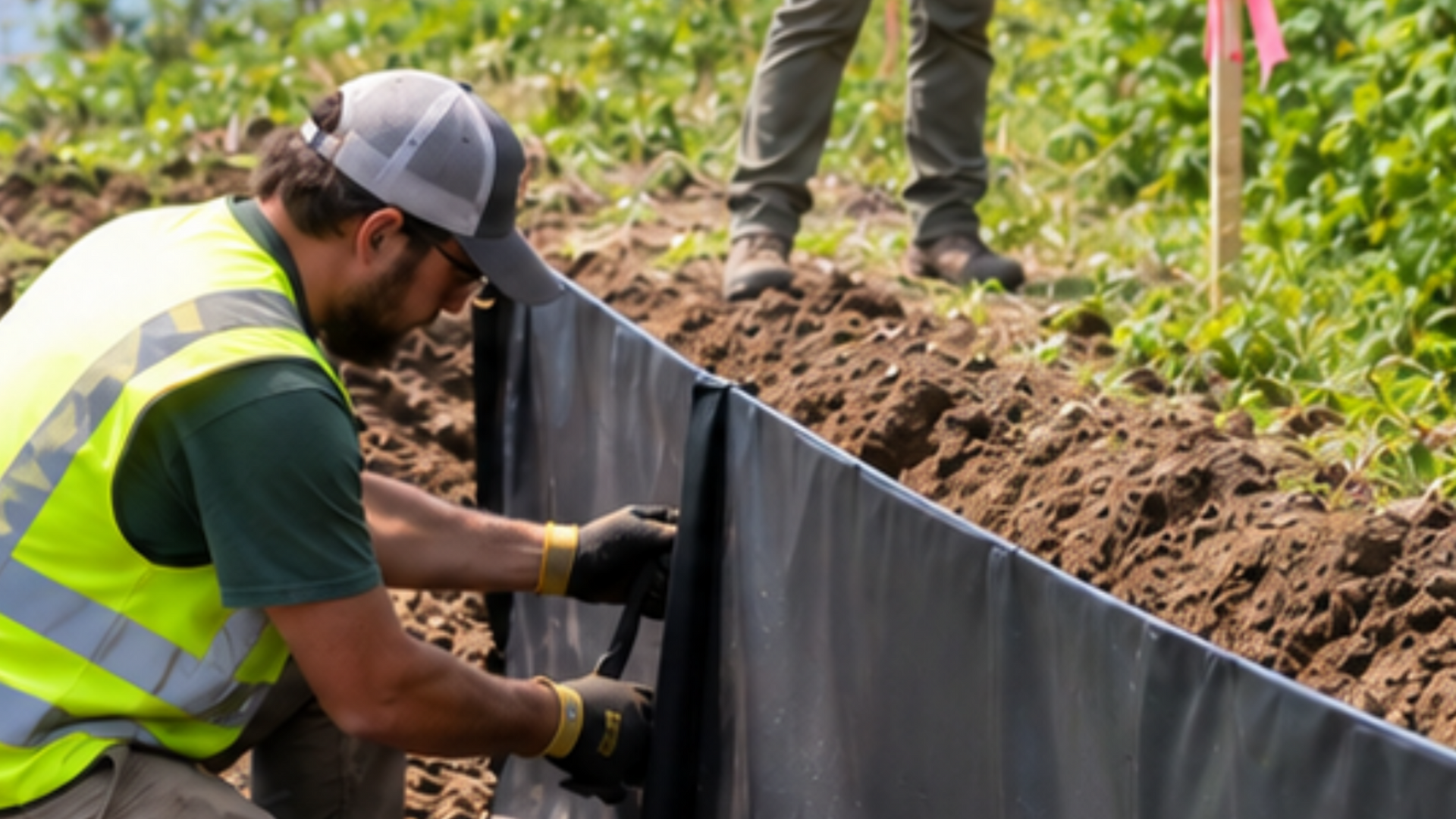
Root barrier Membrane Installation
Where Japanese knotweed is growing on neighbouring land or close to a boundary, Gaia Environmental can install a specialist vertical root barrier to help protect your property from rhizomes spreading across the boundary.
We design the barrier around the site conditions, including nearby structures, services and the location of the knotweed. Installation may form part of a wider treatment or excavation plan, with monitoring recommended to check for growth around the barrier.